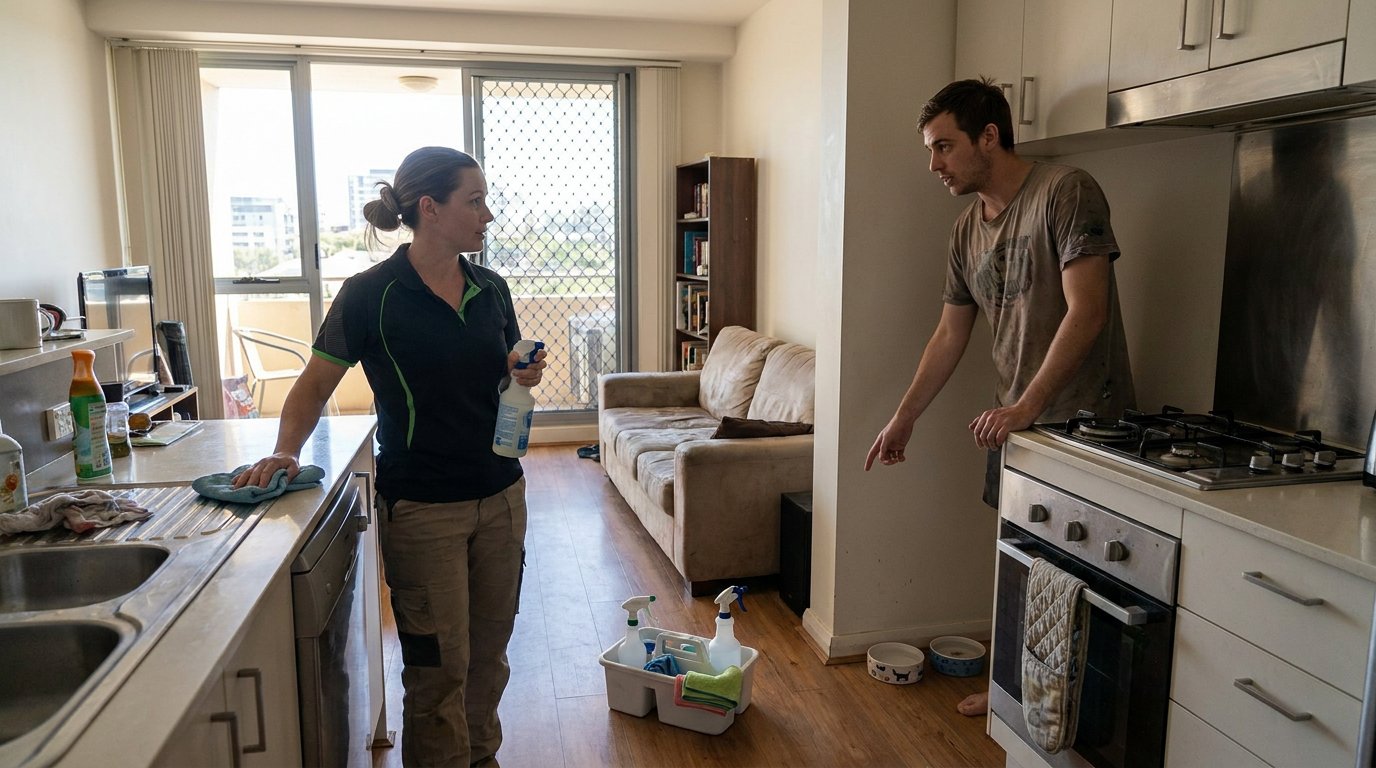
The right home cleaner is the one whose tasks, schedule and approach suit your household, not simply the one with the lowest quote. Knowing how to choose a home cleaner means comparing what’s included, how the service handles trust and access, and which rooms and details matter most to you. Clear expectations upfront make the arrangement easier to manage.
It’s understandable to want a clean, comfortable home without managing every detail yourself. But when kitchens, bathrooms, pets, family routines and access arrangements all matter, choosing a service can feel like another job on an already full list.
This guide will help you compare an individual cleaner, a cleaning company and a housekeeper; assess credentials, communication and access; and set out your priorities before a first visit. You’ll have a clearer sense of what to ask, what to put in writing and how to find a cleaning arrangement that feels right for your home.
Key Takeaways
- Compare cleaning options by the tasks included, how visits are arranged and what happens if plans change, not price alone.
- Look for clear quotes and ask about insurance, staff checks and training before deciding.
- Discuss home access, pets and communication expectations early, then notice how the service responds.
- Write down your priority rooms, preferred products and any delicate surfaces so the clean reflects your household.
1. Comparing cleaners, cleaning companies and housekeepers
Start by deciding what you need: regular cleaning, a one-off deep clean or household tasks beyond cleaning. Knowing how to choose a home cleaner begins with matching that need to the service. An independent cleaner may offer direct communication and a familiar face, while a cleaning company can shape its service around your rooms and priorities. A housekeeper’s duties may extend beyond cleaning, so clarify the tasks you want done. If your main need is a clean kitchen and bathroom, for example, compare services on those rooms rather than a broad package.
If you’re choosing a home cleaner for regular support, ask the same questions of each option. Note the rooms and tasks included, expected time, availability, access arrangements and cancellation terms. Ask how missed tasks and complaints are handled. Find out whether cleaners are employees or outsourced, how they maintain their skills, whether they bring equipment and what happens if someone is unavailable. These details help you compare the service, not just the quote.
Read several reviews on Google, Yelp and Facebook, looking for recurring, specific details. Comments about punctuality, careful work or respectful staff offer more insight than a vague compliment. Ask friends, family or neighbours for recommendations, too. Consider how the service communicates its expectations and supports its staff: this can give you a sense of how it approaches care in your home and help you feel more at ease.
When choosing a home cleaner, compare quotes on equal terms. Check what each includes, since a lower figure may cover fewer rooms or tasks. Weekly or fortnightly visits can support regular upkeep; monthly visits may take longer each time. You could also begin with a one-off clean to see whether the communication, agreed tasks and result suit your household before committing to regular visits.
2. Should You Check for Licences and Insurance?
Before booking, ask what screening and protection the service provides. Check whether the business and its cleaners hold relevant certifications and whether the company has insurance for accidental property damage. Ask specifically about public liability or accident insurance, and request clear details about what the cover applies to. A licence or certificate alone doesn’t show how a team will care for your home, so consider it alongside insurance and staff practices.
Trust also depends on who enters your home. Ask whether employees undergo police or background checks and what training they receive. A reliable company should explain its screening process clearly, without leaving you to guess. If a cleaner will have keys or an access code, agree how those details are handled and returned when the arrangement ends. Clear expectations can ease stress before the first visit.
Compare the same rooms and tasks in each quote. Ask what cleaning is included, the estimated time, any extras and when additional charges apply. A kitchen clean, for example, might include benchtops and floors but exclude the oven. Get that distinction in writing, along with cancellation terms and how missed tasks are addressed. This makes comparisons fairer and helps prevent surprises.
Home cleaners in Australia differ in the products and equipment they bring. Some supply their own vacuum, mop and cleaning products; others expect you to provide particular items. Ask what will be used, whether the products suit your household’s needs around children or pets, and whether alternatives are available for sensitivities. Agreeing on supplies before the appointment helps tailor the clean to your home.
Use reviews and personal recommendations as another check. Read feedback on Google, Yelp or Facebook for specific comments about care, communication and attention to instructions. Ask a neighbour or family member what the cleaner did well and whether the agreed work matched expectations. For a property presentation clean, you can also explore cleaning support for property presentation as you compare what your home needs.

3. Assessing trust, communication and access arrangements
Use an initial conversation to see whether the cleaner listens and answers directly. Ask who will attend, how they’ll enter, what happens if they’re delayed and how to raise a concern. Explain your household routines, pets, preferred rooms and any areas needing special care. A thorough discussion helps you decide whether you’re comfortable providing access and whether the service understands your expectations.
Agree on an access plan before the first visit. Decide whether you’ll be home, provide a key or arrange another way to enter, and identify any private rooms. Give clear instructions about alarms, pets and locking up. If you use a key or access code, establish how it will be stored and returned. These details reduce uncertainty for you and the cleaner.
Trust your instincts, but base your decision on what you observe. Notice whether replies are clear, arrival times are respected and instructions are followed. Reviews that repeatedly mention punctuality, respectful staff and responsive communication offer more insight than one general compliment. If answers seem evasive or your concerns are brushed aside, pause before agreeing to regular visits.
Put expectations in writing with a room-by-room task list, access notes and exclusions. If the bathroom floor and kitchen benches matter most, name them rather than relying on “a thorough clean”. After the visit, walk through the home or note any missed tasks, then give calm, specific feedback. If something goes wrong, describe it and ask how it will be addressed. Clarify any remedy or satisfaction guarantee before relying on one.
Good communication comes from small, consistent exchanges. Thank the cleaner when the work meets your needs, and raise adjustments early, such as changing the order of tasks. After the first clean, consider punctuality, whether instructions were followed and whether your home was treated respectfully. These observations help you decide whether to continue, refine the arrangement or look for a better fit.
4. Clarifying cleaning priorities and household preferences
A useful house cleaning plan starts with what affects your home day to day. Knowing how to choose a home cleaner means first identifying the rooms and tasks that matter most to your household. Walk through each room and mark tasks as essential, occasional or unnecessary. A busy kitchen might need benchtops, floors and the sink cleaned each visit, while window washing or oven cleaning can be occasional extras. Ranking tasks keeps the plan focused on what will make the biggest difference.
Then describe the work in practical terms. “Clean the bathroom” might mean wiping the vanity, cleaning the shower, disinfecting surfaces and mopping the floor. List the rooms and tasks you want covered, along with any exclusions, such as a study that should remain untouched. A written checklist helps everyone understand the scope and gives you a clear way to review the work after each visit.
Household preferences matter as much as the task list. Tell the cleaner about children, pets, allergies or sensitivities, and ask which products they use. If you prefer mild products or want a particular product used, discuss that before the clean. Point out specialist surfaces, such as natural stone benchtops, timber floors, cooktops or antique furniture, so the cleaning approach suits each material.
Choose a frequency based on how quickly your home needs attention. Weekly or fortnightly cleaning can support regular upkeep; less frequent visits may take longer as work accumulates. Choosing a home cleaner also means matching the schedule to your household’s changing routines. A new puppy, visiting family or a renovation can shift your priorities, so revisit the checklist and adjust it as needed.
If you’re considering how to choose a home cleaner for a property being prepared for inspection or sale, plan cleaning for your property presentation around the rooms and details that need attention.
Pursue Cleaning Services: Concierge
Pursue Cleaning Services offers Concierge for households seeking support beyond a single cleaning task. If you’ve clarified your priorities but want help creating more breathing room in your routine, this could be a natural next step. The service range also includes Turndown, Studio and Loft, giving you options to consider for your home.
Think about the pressure point you want to ease, whether that’s keeping home routines manageable or getting more considered household support. A clear picture of your priorities will help you decide what kind of help would be useful.
For a closer look at the available support, visit Pursue Cleaning Services.
Make room for a calmer routine
The right arrangement should fit your household, not add another task to manage. As you decide how to choose a home cleaner, look beyond the first appointment: what would make the support feel dependable and comfortable as your routines change? Knowing what you want help with makes the next conversation easier and helps you move forward with confidence.
You don’t need every detail settled before taking the next step. Start with the kind of support you’re seeking and what would make home feel lighter. If you’re looking for household support tailored to your needs, explore the services offered by Pursue Cleaning Services.
Contact Pursue Cleaning Services to take the next step towards a home routine that feels more manageable.
Frequently Asked Questions
Do Cheap Cleaners Always Mean Lower Quality?
No, a lower price doesn’t automatically mean poorer cleaning. Judge the result by observable details, such as streak-free mirrors, clean corners and residue-free surfaces. A service may suit your budget and still meet your standards. After a visit, note what looks and feels well cared for, then decide whether the finish matches the level of attention you expect.
Does a Cleaner Really Impact Home Hygiene and Comfort?
Yes, regular cleaning can make everyday spaces feel fresher and more comfortable. A kitchen is easier to use when food-preparation surfaces are clean, while a tidy living area can feel more restful at the end of the day. Choose tasks that support how you use each room, rather than adding work simply because it appears on a generic checklist.
How to Compare Prices Without Compromising Quality?
Compare the value of the work, not just the headline amount. The price depends on the home and requested work, and is provided after a quote request; factors include the property’s condition, rooms and selected tasks. To manage spending, identify the areas that matter most and prioritise them. This keeps the decision focused on useful results rather than choosing the cheapest option by default.
Is Professional Experience Important?
Yes, relevant experience can help a cleaner work confidently around different household routines and requests. Ask about familiarity with the job you need, such as maintaining a home with busy meal-preparation areas or working around a household schedule. Experience is one useful consideration, not a substitute for clear communication. Your instructions should still explain how you want your home cared for.
Can You Request Eco-Friendly Cleaning Products?
Yes, you can state a preference for eco-friendly products before cleaning begins. Be specific about what matters, such as avoiding strong fragrances or using a particular product you already have. Ask for the product name and check that its directions suit the surfaces being cleaned. Sharing your preference early helps prevent surprises and gives the cleaner time to understand your household’s needs.
How Important Is a Satisfaction Guarantee?
A satisfaction guarantee can clarify how a service handles concerns, but its value depends on the terms. Before relying on one, find out what counts as an issue, how soon you need to report it and what response the guarantee covers. For example, ask whether a missed task leads to a return visit or another remedy. Clear terms show you what accountability looks like.
Leave a Reply